Wednesday, December 11, 2024

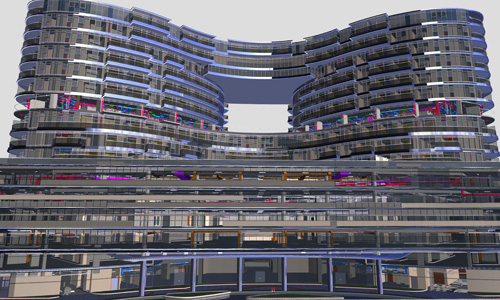
Wrapping Up 2024: BIM Trends that Revolutionized AEC

Building Information Modeling (BIM) has fundamentally transformed the architecture, engineering, and construction (AEC) industry, making processes more efficient and collaborative. By integrating advanced technology, BIM enables stakeholders to design, visualize, and execute projects with precision. Leveraging BIM can significantly boost the return on investment (ROI) for projects; collaborative BIM solutions, in particular, have been shown to push ROI into the higher brackets, often exceeding 50%.

Over the years, BIM has simplified complex workflows, enabling seamless collaboration between architects, engineers, contractors, and project owners. As technology continues to evolve, the role of BIM in the AEC industry is expanding, with new trends having emerged that promises to further enhance its potential.

The Top BIM Trends of 2024

The evolution of BIM is relentless, having introduced innovative tools and methodologies that redefine how the AEC industry operates. Here are some of the top trends that shaped BIM in 2024:

1. 3D Printing Integration with BIM

3D printing has revolutionized manufacturing, and its integration with BIM is taking construction to new heights. By transforming digital models into tangible prototypes, 3D printing enables teams to visualize building elements in physical form. This helps stakeholders assess the functionality, aesthetics, and structural integrity of designs before actual construction begins.

Using thin layers of material, 3D printers can produce intricate components with minimal waste, making the process eco-friendly. When combined with BIM workflows, 3D printing allows for rapid prototyping and effective communication among team members, leading to streamlined project execution.

2. Augmented and Virtual Reality (AR/VR)

AR and VR are becoming indispensable tools in the BIM toolkit, enhancing visualization and collaboration. These technologies provide immersive experiences, enabling stakeholders to explore large-scale 3D models in real time. With AR/VR, a top BIM company can conduct virtual walkthroughs, identify design flaws, and present interactive models to clients, fostering better decision-making.

AR also supports on-site tasks like clash detection and remote management, helping project teams resolve issues swiftly. As AR/VR technology advances, its application within BIM processes will become even more prevalent, bridging the gap between design and construction.

3. Cloud-Based BIM Solutions

Cloud computing is transforming how BIM data is stored, shared, and accessed. Cloud-based BIM platforms empower teams to collaborate seamlessly by providing real-time access to design data from any location. These solutions enhance communication, reduce miscommunication, and ensure all stakeholders are aligned throughout the project lifecycle.

Mobile applications further enhance this collaboration by enabling instant updates, reporting, and data sharing, thus minimizing delays and boosting efficiency. The adoption of cloud frameworks ensures projects are completed on time and within budget.

4. Internet of Things (IoT) Integration

The Internet of Things (IoT) is redefining how BIM interacts with real-world data. IoT devices can collect real-time information from construction sites, feeding it back into BIM models for analysis and optimization. This integration enables prefabrication workflows, predictive maintenance, and smarter design decisions.

For instance, IoT sensors can monitor energy usage, structural integrity, and environmental conditions, allowing BIM models to adapt dynamically. This data-driven approach ensures that construction projects are not only efficient but also sustainable.

5. Drones for Data Collection

Drones are becoming an essential tool in the AEC industry, particularly for data collection and site monitoring. Equipped with high-resolution cameras and sensors, drones can survey large areas quickly and safely, capturing precise data for BIM modeling. This information is invaluable for refining designs and ensuring projects stay on track.

Additionally, drones reduce risks associated with manual surveying, especially in hazardous environments. Their ability to provide aerial views and real-time progress updates makes them a game-changer for construction management.

6. Improved Sustainability

Sustainability in construction involves addressing energy efficiency, green architecture, and eco-friendly processes. BIM plays a pivotal role in evaluating project models for environmental impact, considering factors such as CO2 emissions, energy consumption, and compatibility with renewable energy systems like solar panels or wind turbines.

Energy modeling within BIM enables comprehensive analysis of future building operations, ensuring they align with sustainability goals. As environmental concerns grow, many governments have mandated the use of “green” construction practices. BIM not only simplifies this transition but also ensures compliance with regulations, making sustainability an integral part of the construction lifecycle.

7. Artificial Intelligence (AI)

Artificial intelligence is revolutionizing how data is analyzed and utilized within BIM processes. AI enhances BIM's capacity to process vast datasets, providing actionable insights for better decision-making. From suggesting optimal object placement to predicting delays, AI's predictive capabilities improve efficiency across all stages of

construction.

Moreover, AI-powered tools can detect irregularities, enhance quality control, and propose cost-effective or eco-friendly alternatives. By incorporating AI, BIM ensures smarter, faster, and more reliable construction workflows, catering to goals such as cost savings, sustainability, and precision.

8. Laser Scanning

Laser scanning technology, when integrated with BIM services, elevates accuracy in capturing on-site conditions. Using point-cloud data, laser scanners convert real-world measurements into detailed BIM models. This process, known as “Scan to BIM,” bridges the gap between physical environments and digital representations.

This technology minimizes errors caused by manual data entry, accelerates project monitoring, and reduces reliance on traditional survey methods. As scanner performance improves, projects benefit from faster completion times, optimized costs, and more precise construction outcomes.

9. Modular Construction and Prefabrication

BIM complements modular construction and prefabrication by improving design accuracy and reducing errors. Prefabrication involves manufacturing construction elements off-site and assembling them on-site, while modular construction focuses on creating standardized modules that can be replicated with minimal modifications.

Examples of modular construction include pre-assembled bathrooms, dormitories, or façade components. BIM’s precise modeling ensures seamless integration of these elements, fostering safer, more cost-efficient construction with reduced risks. By promoting standardization, BIM empowers teams to deliver consistent, high-quality results in less time.

10. Digital Twins

The concept of a digital twin lies at the core of BIM. A digital twin is a virtual replica of a physical structure, enabling teams to simulate, predict, and optimize performance even before construction begins.

Digital twins enhance visualization for stakeholders, improve decision-making, and reduce the need for rework. By simulating real-world scenarios, digital twins provide valuable insights into a building’s future operations, maintenance, and performance, making them indispensable for modern construction projects.

11. Interoperability

Interoperability has been a long-standing challenge in the BIM landscape, primarily due to proprietary file formats limiting seamless data exchange. While BIM promotes collaborative workflows, the lack of standardized formats often hinders efficient communication between platforms.

Conclusion: Unlocking the Full Potential of BIM in AEC

The transformative power of Building Information Modeling (BIM) was fundamental in shaping the AEC industry in 2024. From enhanced collaboration to the integration of cutting-edge technologies such as AI, laser scanning, and digital twins, BIM continues to redefine how projects are designed, executed, and managed.

As BIM adoption becomes more widespread—bolstered by governmental mandates and the need for sustainable, efficient construction practices—its role as a cornerstone of modern project management grows increasingly undeniable. By enabling seamless interoperability, reducing redundancies, and fostering innovation, BIM is not just a tool but a strategy for achieving unparalleled efficiency and precision.

The trends outlined above highlight how BIM has evolved to meet the challenges of an ever-changing industry this year. For AEC professionals, embracing BIM is no longer an option but a necessity to stay competitive and deliver value!

Friday, December 6, 2024

Why Advenser is a Top BIM Company to Partner With

The Architecture, Engineering, and Construction (AEC) industry is an ever-evolving playground with innovations like BIM and VDC leading these changes; and throughout it all, Advenser has been a pioneering force. This blog is all you need to understand how Advenser is the best BIM company to help you with your project needs. Advenser: A Brief History Established in 2007, Advenser has earned a reputation as a reliable engineering service partner for the construction sector. Whether serving builders, general contractors, or architects, we offer tailored solutions to meet diverse project needs, from design development to As-built BIM modeling. With its engineering hub in India and strong presence in the USA, UAE, and Australia, the company, comprising over 300 engineers, has delivered over 10,000 projects with a focus on precision, affordability, and timely completion. What Separates Advenser as the Top BIM Service Provider Quality and Standards Advenser's commitment to quality is underscored by multi-stage quality control methods and internationally recognized industry standards that ensure exceptional engineering quality. Global Operations We have sales offices and operations in multiple countries, guaranteeing quick response times and localized customer service. Comprehensive Solutions We offer BIM/CAD/VDC services that cover Architectural, Engineering, Construction & Manufacturing Industry under one roof. End-to-End Service Our services span the complete project lifecycle, from design to maintenance. Global Project Experience We have a global track record, having completed projects across North America, Europe, Australasia & the Middle East. Trade Knowledge & Expertise We possess expert resources with multinational project experience & trade knowledge. Advenser’s Comprehensive Services Make Us a Leading BIM Service Provider Our comprehensive set of solutions is another key factor in why we give you an edge over other BIM Service providers. We have briefly addressed them below: BIM Services From the initial stages of a project through to demolition, we deliver internationally acclaimed solutions that make us the top BIM company to work with, providing Levels of Development (LOD) ranging from 100 to 500. Our team of over 300 skilled professionals, experienced in Architectural, Structural, Façade, and MEP disciplines, is fully prepared to tackle complex projects of any scale, providing precision, efficiency, and success at every stage. We support construction firms, general and specialty contractors, architects, engineers, and building owners in effectively adopting and maximizing the value of advanced BIM technology, all while adhering to their timelines, standards, and budgetary requirements. This approach not only ensures smooth BIM integration but also delivers optimal returns on investment for our valued clients. Our BIM services support the design, production, and erection of panels, foundations, walls, slabs, beams, and more, where we work closely with architects and contractors for optimized results. Here are the core BIM services that we provide: Architectural Modeling We provide a comprehensive range of architectural VDC/BIM/CAD engineering services, including 3D modeling, BIM, construction documentation, 2D drafting, detailing, CAD conversion, and point cloud services. Our team’s expertise and extensive experience in architectural modeling guarantee precise and competitively priced deliverables. MEP & HVAC BIM Our MEP/HVAC engineers bring deep industry knowledge, providing BIM services across various sectors such as educational institutions, healthcare, industrial plants, residential, commercial, and more. We collaborate with HVAC/MEP consultants, contractors, fabricators, and manufacturers worldwide. Steel, Precast, & Rebar Detailing We offer a proven suite of Steel, Precast & Rebar detailing services that streamline design management and enhance project constructability, reducing installation costs and fostering business growth. Façade Engineering Services Our precise shop and fabrication drawings support clients in planning for the efficient and balanced production of building envelope systems. With experienced façade engineers on hand, we provide detailed services for a wide array of building types and structures. Mechanical CAD/CAM Our expertise centers on delivering top-quality 2D drafting and 3D CAD modeling services to assist clients in the fabrication and manufacturing of mechanical components. BIM Consulting Our BIM consulting enables clients to adopt BIM cost-effectively and incorporate Virtual Design Construction (VDC) to enhance project visualization, collaboration, and operational efficiency. Our experts support organizations through the BIM implementation process, optimizing people, processes, and technology, standardizing workflows, and ensuring model accuracy and regulatory compliance. Our Core BIM Consulting Services Include:BIM Implementation We support and guide client organizations, both on-site and off-site, in adopting and implementing BIM by strategically aligning their people, processes, and technology while developing and standardizing an efficient BIM workflow. • BIM Model Audit Advenser conducts thorough, precise audits of BIM models for architects, contractors, and construction firms worldwide. Our in-house auditors bring years of experience to ensure compliance with naming standards, design criteria, and detailed levels. These evaluations help your team prevent technical issues and project delays. • Integrated Project Delivery We assist organizations in maximizing BIM’s potential by seamlessly integrating architectural, structural, and MEP systems into the design and construction process. • GeoBIM GeoBIM integrates Geographic Information Systems (GIS) with BIM, offering an innovative approach to infrastructure project planning, design, construction, and management. • BIM for Facility Management Our BIM engineers assist clients in creating, utilizing, and managing building information throughout the lifecycle of a building, following the COBie (Construction of Building Information Exchange) process. Innovative Services for Industry 4.0 As part of the Industry Revolution, Advenser supports industrial plants and factories in their transition to digitization standards. Our laser scanning, 3D modeling, and digital twin solutions assist factories and power plants worldwide in transforming their systems and processes to be more cost-effective, efficient, and resilient. BIM Training In collaboration with East Stroudsburg University (ESU), we offer a Certificate Program in Building Information Modeling (BIM), empowering decision-makers to manage their projects with greater precision. This program extends BIM’s advantages to clients, key stakeholders, and supply chains. The Industries We Serve Make Advenser Stand Out as the Best BIM Partner Our experience is not just limited to one industry, making us a versatile partner in providing BIM services. Industries We Cater To: • Healthcare • Infrastructure • Education • Marine • Oil and Gas • Architecture • Aerospace / Defense • Manufacturing • General Contracting • Energy • Hospitality • Automobile • Locomotive • Chemicals • Renewable Energy • Pharmaceutical • Water Treatment • Factories / Warehouses • Offshore • Builders Conclusion Advenser stands at the forefront of the AEC industry by providing comprehensive, cutting-edge BIM solutions that cater to a diverse range of sectors, including architecture, engineering, construction, and manufacturing. With a focus on quality, innovation, and adaptability, we have established ourselves as a reliable partner for clients seeking efficient project execution and long-term value. Whether supporting industrial plants in their digitization efforts or delivering specialized BIM solutions, our track record of over 10,000 completed projects speaks to our capacity to deliver excellence on a global scale. With offices strategically located in India, the USA, UAE, and Australia, and a dedicated team of over 300 people equipped to handle complex project requirements, we are poised to continue driving success and innovation in the AEC industry.

TOP 10 BIM COMPANIES IN INDIA TO PARTNER WITH IN 2025

Over the years, BIM has revolutionized project management, design, and execution, leading to enhanced collaboration and efficiency. As part of this revolution, some BIM companies have stood out amongst the crowd. Here are the Top 10 BIM companies in India that you can partner with in the coming year; the metrics used to evaluate the top BIM company in India are their industry experience, range of BIM services offered, technological innovation, and client satisfaction. This is an evolving list and subject to change. 1. Advenser Advenser provides a wide range of BIM services tailored to the Architectural, Structural, MEP/HVAC, and Façade sectors, ensuring efficient pre-construction planning. Since 2007, they have consistently delivered exceptional BIM solutions that enhance project outcomes and drive innovation, making them the top BIM company in India. Their comprehensive services, from initial project conception to final demolition, ensure unmatched precision and efficiency. Their commitment to excellence and tailored solutions make them the best choice for any construction project. 2. Aashir Engineering Based in Ahmedabad and founded in 1989, Aashir Engineering has always been an incredible BIM service-based company. Aashir Engineering's BIM studio was established in 2015 and offers services for architectural, MEPF, structural, clash detection and coordination, BOQ & GFC, among other things. 3. Mars Mars specializes in digital transformation, offering a comprehensive suite of services including BIM, AR, VR, digital twin, MEP, and project management. Their innovative approach empowers clients to embrace new technologies and drive efficiency throughout the project lifecycle. 4. Virtual Building Studio The goal of Virtual Building Studio's establishment was to offer the worldwide AEC sector comprehensive, end-to-end, customized services and solutions. It provides thorough BIM services to the architectural, engineering, and construction industries at every level of planning, design, tender, construction, handover, operations, and management. 5. Rebcon Group Rebcon Group offers a wide range of services, including BIM, architectural design, structural analysis, and project management. Their commitment to excellence has earned them a reputation as a trusted partner in the construction industry. 6. Architude Architude specializes in providing comprehensive BIM solutions to architects, engineers, contractors, and owners. Their seasoned professionals and passion for innovation help clients optimize project delivery and minimize risks. 7. Techture Techture specializes in delivering innovative BIM solutions tailored to architectural and construction projects. Their collaborative and digital-first approach has gained them recognition as a reliable BIM partner. 8. Clove technologies Clove Technologies is one of India’s frontrunners in GeoBIM technology, empowering engineers and developers worldwide to use drones, laser scanning, and ground penetrating radars to support the building, operations, and maintenance of intelligent infrastructure. 9. Novatr Novatr is known for its extensive use of BIM technology in architectural projects. Their expertise in tools like Revit helps them deliver high-quality design solutions. 10. Admire Tech Vision Admire Tech Vision provides a range of BIM services, including software sales, consultancy, and training. Their focus on innovation and client satisfaction has made them a prominent player in the industry. Conclusion With Advenser leading the charge, these BIM companies in India are shaping the future of construction with their besy practices and innovative solutions. Partner with them in 2025 to avail of the best services that BIM has to offer!

Monday, January 22, 2024

From Waste to Resource: BIM's Contribution to a Circular Construction Economy

BIM Services

In today's rapidly changing world, sustainability and resource management have become crucial considerations for the construction industry. With the increasing need to minimize waste and maximize the use of resources, BIM has emerged as a powerful tool that can revolutionize construction planning and management. Whether you are a construction professional or simply interested in the future of sustainable construction, this blog will provide valuable insights into the potential of BIM in contributing to a circular construction economy.

The Role of BIM in the Circular Construction Economy: An Introduction

BIM plays a crucial role in the circular construction economy by providing comprehensive information on the reuse, repair, and recycling of building materials and components at the end of their lifecycle.

Digital modeling for end-of-life in BIM enhances understanding and promotes collaboration and data sharing among stakeholders, enabling them to make informed decisions and adopt effective circular strategies. By providing a visual platform, BIM facilitates a global vision in circular economy principles and promotes stakeholder collaboration. This collaboration and data sharing allows stakeholders to apprehend the environmental and economic importance throughout the whole lifecycle of a structure. BIM integrates data on material attributes, implementation, and potential end-of-life procedures. This empowers designers to prioritize circularity from the early stages of a project. With comprehensive data on material characteristics, designers can make informed decisions regarding sustainable material selection and prioritize circular design strategies. Data integration also ensures efficient use of material flow and increases trust in circular design strategies by analyzing complex building systems.

Additionally, BIM confounds data management and estimation challenges by simplifying processes and accurately evaluating resource necessities and potential reclamation. This streamlining of methods helps in inventory keeping and facilitates deconstruction purposes. BIM provides a systematic framework to evaluate and quantify the circularity of building designs through circularity assessment. This assessment allows stakeholders to evaluate the environmental and economic effects of different design alternatives, materials, and methods. It fosters a more profound sense of circular economy precepts and their application in construction.

Incorporating circularity inspection in BIM helps management comprehend the issues and challenges of building circularity. The assessment process highlights the potential benefits and challenges associated with circularity in buildings, allowing stakeholders to make more informed decisions. BIM creates a valuable contribution to the circular construction economy by providing comprehensive information and promoting collaboration.

BIM plays a vital role in the circular construction economy by enhancing understanding, streamlining processes, and providing comprehensive information for informed decision-making. It enables the construction industry to embrace circularity and make sustainable choices throughout the lifecycle of a building.

Leveraging BIM for Improved Resource Management in Construction Planning

Leveraging BIM (Building Information Modeling) services can significantly impact resource management in construction planning. BIM allows for the digital representation of a building, encompassing all its components and systems. This comprehensive view of the project enables construction planners to accurately assess and allocate resources such as materials, labor, and equipment. With BIM, planners can optimize the use of resources, leading to more efficient and cost-effective project management.

In addition, BIM facilitates better collaboration and coordination among different stakeholders involved in the construction project. Having a shared platform and access to real-time data allows everyone to stay on the same page and reduces the likelihood of resource conflicts or wastage. This enhanced coordination ultimately leads to smoother project execution.

Furthermore, BIM enables construction planners to simulate and analyze different scenarios. This capability allows for proactively identifying potential bottlenecks or issues, helping optimize resource allocation and mitigate risks before they arise. By having this foresight, construction projects can be better planned and executed. Moreover, BIM offers real-time tracking and monitoring of resources throughout the construction process. This capability enables proactive decision-making and adjustments, ensuring that resources are utilized effectively and efficiently.

By leveraging BIM for improved resource management, construction companies can enhance productivity, reduce delays, and deliver projects on time and within budget. Integrating BIM in construction planning can revolutionize the industry, providing a valuable contribution to the circular construction economy and sustainable construction practices.

Applying Circular Business Models with BIM: A Step Towards Sustainability

The construction sector plays a significant role in resource extraction, with 40% of all extracted minerals worldwide being used in the built environment. However, there is a growing recognition within the industry of the need to embrace circular business models to reduce waste and promote sustainability.

One notable example of this shift towards circularity is the construction of ABN AMRO's CIRCL pavilion in Amsterdam. The structure of CIRCL was planned and executed as a prime example of "walking the circular talk." The philosophy behind the project was that "doing nothing is no longer an option," and it was seen as an opportunity to showcase the potential of circular business models and building standards.

ABN AMRO's sustainability goals, known as Mission 2030, align perfectly with the philosophy and ambition of CIRCL. The bank is committed to making its real estate portfolio more sustainable and sees circular business models as a valuable contribution to a future-proof society.

The report, "A Future-Proof Built Environment," co-launched by ABN AMRO and Circle Economy, highlights the possibilities and benefits of adopting circular practices in the construction sector. It showcases real-life and practical examples, explicitly focusing on the construction of CIRCL. The insights and best practices gathered from the planning and construction process are cross-referenced to analyze the project comprehensively. By applying circular business models and leveraging data-supported workflows, the construction industry can achieve improved project efficiency, enhanced understanding of environmental impacts, and better resource management. Tools such as BIM can play a crucial role in facilitating circular construction by enabling better inventory keeping, supporting deconstruction purposes, and promoting sustainable construction practices.

The report also emphasizes the importance of a materials passport and aggregated circularity indicators for effective construction planning and management decision-making. Additionally, BIM can contribute to improved visualization and coordination, leading to more efficient and sustainable construction processes. Overall, the report catalyzes radical change in the construction sector. It aims to inspire and encourage other companies in the built environment industry to embrace circular business models for their economic benefits and the positive social and environmental outcomes they can bring about.

Enhancing Construction Management through Data-Supported Workflows in the Circular Economy

As the construction industry embraces the principles of the circular economy, data-supported workflows are emerging as a valuable tool for enhancing construction management. The circular economy aims to minimize waste and maximize resource efficiency, and construction projects play a significant role in achieving these goals.

By leveraging data and analytics, construction managers can optimize material usage, reduce waste, and improve overall project efficiency. Digital tools and technologies enable real-time data collection, analysis, and decision-making, leading to more sustainable construction practices. For example, BIM can be used throughout the entire lifecycle of a project, from the planning and design stages to construction and management. BIM provides an enhanced understanding of the project, allowing for improved visualization, coordination, and resource management.

Data-supported workflows also facilitate collaboration and communication among project stakeholders, ensuring seamless coordination and timely project delivery. By sharing data in a centralized platform, all parties involved in the construction process can access up-to-date information, making informed decisions and avoiding costly delays.

Implementing data-supported workflows in construction management has numerous benefits. It results in cost savings, increased project profitability, and reduced environmental impact. Case studies and real-world examples demonstrate the successful implementation of these workflows in construction projects within the circular economy. For instance, the Circular EcoBIM project developed aggregated circularity indicators that measure the environmental impacts of construction materials and processes. This data enables construction managers to make informed decisions prioritizing sustainability and resource efficiency.

Measuring Circular Progress: Aggregated Circularity Indicators in the Circular EcoBIM Project

The Circular EcoBIM Project is at the forefront of measuring circular progress in the construction industry. This project aims to develop aggregated circularity indicators to effectively measure and track progress towards circularity in buildings and infrastructure projects.

By creating comprehensive indicators, the Circular EcoBIM Project provides stakeholders with a holistic view of the circularity of their projects. This collaborative effort involves researchers, industry professionals, and policymakers dedicated to driving the adoption of circular practices in the construction and infrastructure sectors. Developing these indicators enables stakeholders to assess their projects' environmental, social, and economic impacts. This information provides valuable insights that can inform decision-making and promote more sustainable and circular construction practices.

Furthermore, the Circular EcoBIM Project is working towards establishing a standardized framework for measuring circular progress. This framework promotes consistency and comparability across projects, enhancing the understanding of circularity and facilitating the implementation of circular business models.

The findings and indicators generated by the Circular EcoBIM Project will contribute to the development of circular economy policies and practices in the construction and infrastructure sectors. This project aims to improve visualization, coordination, and resource management in construction planning and management by measuring circular progress and providing data-supported workflows.

Overall, the Circular EcoBIM Project is making a valuable contribution to the construction industry by promoting sustainable and circular construction practices. This project is driving radical change by developing aggregated circularity indicators and creating a more sustainable and circular built environment.

In Conclusion

BIM has proven to be a game-changer in the construction industry, particularly in the circular economy. By leveraging BIM for improved resource management, applying circular business models, enhancing construction management through data-supported workflows, and measuring circular progress, we can pave the way for a more sustainable and efficient construction industry. The potential of BIM to transform waste into valuable resources is immense, and it is up to professionals in the construction industry to embrace and harness this technology to contribute to a circular construction economy. As we strive for a more sustainable future, BIM will undoubtedly play a vital role in reshaping how we plan, design, and construct our built environment. Together, we can work toward a future where waste becomes a resource, and the construction industry becomes a driving force for a circular economy.